
Episode notes
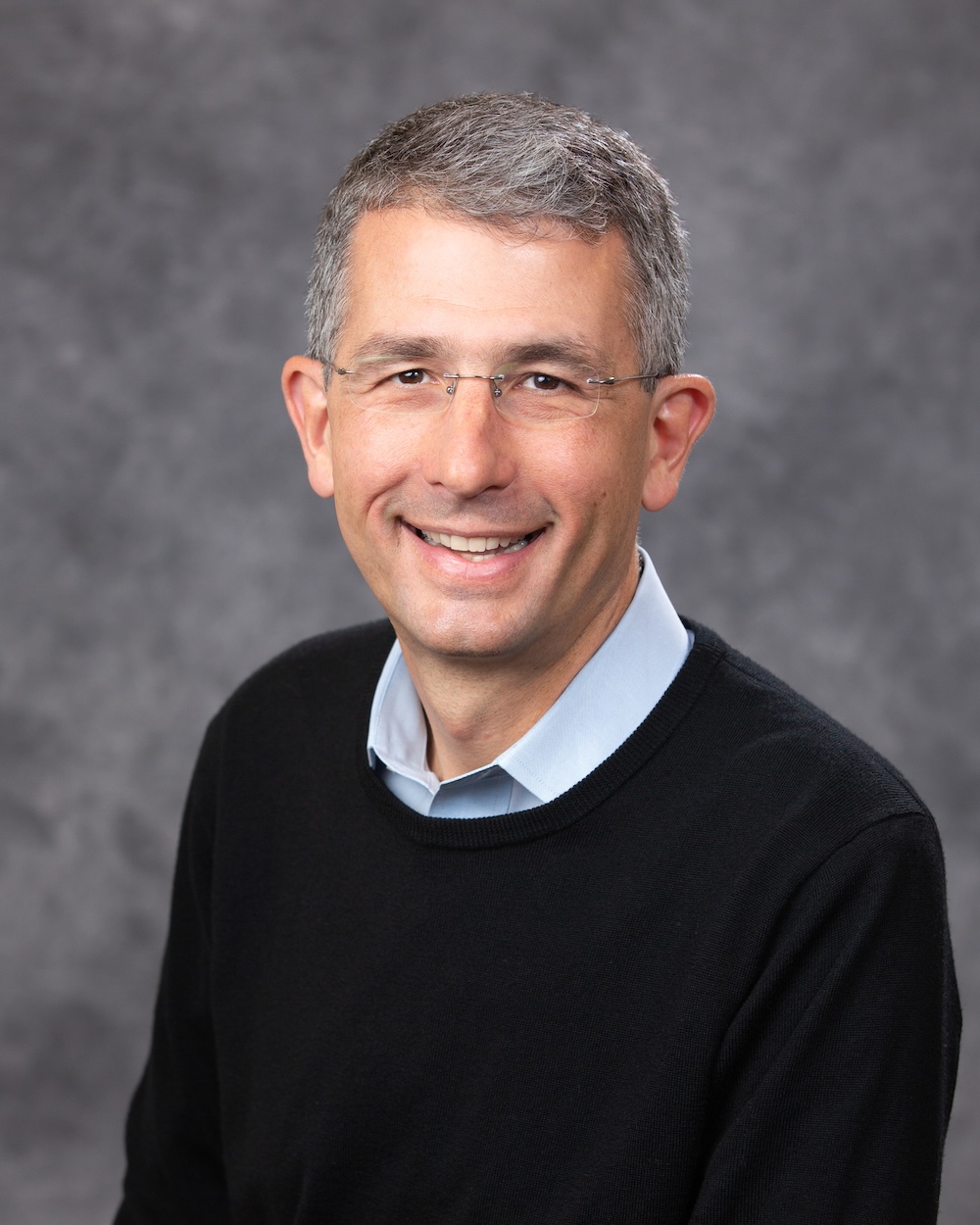
Jay Sears, founder and CEO of Team Daya, discussed the organization's mission to build primary schools in remote areas, funded by contributions from the ad tech industry. Team Daya operates in five countries: Senegal, Malawi, Nepal, Nicaragua, and Guatemala. Sears emphasized the importance of community involvement, with local communities providing land and labor. The organization has completed 11 schools and aims to expand its impact. Sears also reflected on his career in ad tech, highlighting the need for leadership and the transformative power of AI in the industry.
Erik 04:01
We want to welcome all of our listeners to another episode of MRP, Minority Report podcast with Erik and Kerel. Each episode, we talk with real operators and leaders in media, tech and business and today, joining us is Mr. Jay Sears, who's the founder and CEO of Team Daya. Hey, Jay, welcome
Jay Sears 04:21
Erik and Kerel, thanks for having me on the Minority Report.
Erik 04:26
We're excited to have you. We've actually Jay, you know, we've all sort of known each other for for years now, and just really proud of the work that you and the teams are doing. And we've been excited to have you on and sort of have you talk about everything that you're doing across the world, and would love to learn a little bit more about that. So, Jay, you know, it's funny, I was thinking about a video, and the video starts with you. Well, it doesn't start but you talk about being a university student in 1988 in a mountainous region, and the principal of a school comes and talks to you, tell us and tell our listeners about that story with Jay in 1988 when that happened?
Jay Sears 05:24
Yeah, well, that's part of the backstory of Team Daya. And you know, I'm just super excited to be here with both of you today to talk about team DIA and why it matters, how people can help in why we've been able to gain the support of over 1500 people. A lot of those folks are folks that all three of us know from years in the in the ad tech business too, but they're really two back stories to Team Daya and and why it kind of exists today and it has come together. The first one is the one that you referenced. So this is when I was a university student studying abroad, and I spent part of the year in Nepal, and was in a very remote village in the Annapurna mountain range in the Himalayas. And I got called down to the school. One day, someone came to me and said, Oh, the principal wants to talk to you. And here I was a 20 year old kid who didn't know a whole lot about a whole lot and and it was a very distinct experience for me, because I sat across from this man's desk and he said, Well, you're from America. We need your help. And wow. And I really didn't know what to do about that, but I kind of never forgot that conversation. And that gets to kind of backstory number two, how team Daya came together, which is along with a couple other founding members, kept having the same discussion with a lot of peers in the ad tech industry, which is one how lucky are all of us to have grown up in this industry and grown up in an industry that, for the most part, has been up into the right the entire time, is a lot of a lot of success for a lot of us. And but there was still something people would always say, Well, you know, we're not curing disease like what? Shouldn't we leave a positive mark somehow? And long story short, we discussed a lot of different things and settled on this idea of, hey, we'd probably be pretty good at raising some money from people we know in the business, but also using that money to fund the construction of primary schools. So basic, very basic, two and three room schoolhouses in some of the most remote areas you could imagine in the developing world. In fact, right behind me, the photograph you see is a work site we where we built actually, there's a there are two different, one school building going up here, and then another one, you see. And this is a 2220 22 and 2024 project that we had in Senegal to build both these school buildings. And one of the other feedbacks we got from our backstory was people love the idea of supporting good things and charitable things, but they also wanted to bear witness to what this was. So a lot of people told us, oh, I write a check, I send it off to whoever it is. And I kind of know it helps, but yeah, and so part of the bet here was that we would operate a flywheel by raising money, but for the people who really wanted to give them the opportunity to go to these places, like the one place you see behind me in Senegal arts and Nepal, or Guatemala or one of these other places, and participate in the groundbreaking of these schools with the idea that they would come back. This is a life changing experience for a lot of people, and they would talk about it. They might do it again. They're going to tell their friends, their family, their work peers, about this, you know, amazing experience, and that means, you know, kind of widening the circle to this 1500 plus number people who've supported us financially and lots of other ways too.
Erik 10:00
That's fantastic. Like, I love that. You know, not only could you create a way where folks could give or contribute or, you know, try to make a difference, but you also created a way where folks could get involved and see that very, that very impact by being a part of it. That's, that's really cool. What? What kind of like? How did you sort of form that idea? Was it, was it sort of a group idea that sort of came together? Or have you, had you seen a model like that before? Because it feels really unique,
Jay Sears 10:36
it was just through having these conversations over and over with different people in the in the industry, and then some of our founding members, like Jared Knutson, who's our team die ahead of recruiting, and Hassan Erik, who's working on some data related projects for us, and and Jordan Mitchell, who a lot of folks know was a co worker of mine at Rubicon project, and was at IAB for a number of years and and just finished this fourth project with us. And so it was. It was this piece that people just find missing, even even in this massively successful business we've all been in. And again, like, how lucky are all of us that we've had this professional experience? But you know, how do we create some of that other, other balance? And I think, you know, people just wanted to be a part of it. And in a lot of what we've been working on is, you know, people can be part of it by financially supporting us. People can travel halfway around the world to one of these places, and, you know, have the cultural immersion and be part of the initial creation of these schools. And they're just a whole lot of other ways we're discovering people can be involved. So we have fantastic people who've lent their expertise, financial expertise to help us create budgets, marketing expertise to help us with the kind of proverbial go to market. I mean, everyone's got to think about that, including team Daya, social media, how do you get, how do you work on that? So there's so many different ways. We just need people to raise their hand and and there's, you know, there's, there's a long list that hopefully can be, you know, fulfilling for people that are, that are looking for something like this.
Kerel Cooper 12:38
Great, Jay, how do you determine the location where you're going to build a school?
Jay Sears 12:45
Yeah, so we operate in in five different countries around the world. So in Africa, it's going to be Senegal and West Africa in Malawi and East Africa, Nepal in Southeast Asia, and two places in Central America, Nicaragua and Guatemala, and we have so we are really focused on the fundraising piece and then bringing people to these locations, and Then we partner with organizations that have people on the ground that are doing the other extremely hard part of this, which is the development work, developing having a development model to identify these communities and then provide project oversight, provide skilled labor, but also make sure that development methodology has what we call kind of all hands in methodology, meaning everybody's got skin in the game. The community has to provide the land for the school. They have to provide 100% of the unskilled labor that it takes to construct the school. They have to agree for equal access for boys and girls, you know, which can be a little tricky some of these places, and then other entities like the government and the educational authorities have got out agree to staff the school with teachers and equip it with books or other sort of supplies. And it's not until all that comes together that, you know, the this hole gets dug in the ground that becomes a school. So all that's got, all that's got to happen. And I think what appealed to us was, you know, this is not, this is not a handout. This is not a gift. This is a kind of in a very ephemeral partnership with this community. But ultimately, in these communities where this happens, it's their school, it's not our school, it's their school. And you've really got to have a development methodology that allows for that sort of, you know, ownership. Otherwise we just believe all good intentions, you know, probably not going to come out the way that. Yeah, anybody wants, gotcha.
Erik 15:22
Jay, thank you so much. That's awesome to hear. And got got a few more questions for you, because I love how, how, how, taking a complicated kind of process and actually made it pretty simple for folks to get involved. And I love how you even kind of map out, if somebody gets involved, how they could even help, and exactly what it goes towards. But before we get to that, I wanted to ask you, and you know, have you talk a little bit about yourself? You know, you've had a tremendous career working for some amazing companies in the space and just amazing companies overall. Jay, take us back a little bit in the ad tech, ad tech world, and tell us a little bit about how you got started and eventually you found a tremendous career in ad tech.
Jay Sears 16:10
Yeah, wow. Okay, so let's do the speed round version. It was the it was the mid 90s. I was in my second job out of school, and and I got on the internet, and I just got big eyed about the whole thing, and I can't tell you guys exactly why, but I just knew that it was going to change the way people marketed product and sold product and communicated and and I worked for marketing communications firm at the time, and I, I went to the CEO, and I, I told her this, and she looked like, you know, someone from space had just landed in her office. And she said, Well, just go back and kind of do the day job. And at that point, I just started looking for anybody that was all in on the on the internet, and, you know, within 12 months, was working for a guy by the name of Michael Wolff, who people will know as a writer, he's published a bunch of these Trump books, and people know him for that, but he had a startup at the time, and and that was my first full time internet gig. It was also, you know, I like to say, you know, part of my work history is two successful IPOs, a successful merger, and a crash and burn so badly that Michael wrote a book about it. And there was a book called burn rate, which told the tale of the ups and downs, mostly the downs of this first experience that I had, but, you know, invaluable. And you know, that's kind of how I got my foot in the door in the internet business, and then a bunch of other great, great companies, one called Edgar online, which, if you do diligence on public companies, you certainly know the SEC database, and we kind of commercialize that, and kind of, you know, that was late 90s, and it was still, it was all about kind of big data, and even AI related things that we're talking about today That like, like, it's something new. It's not new context, web, one of the early exchange businesses, and then, of course, Rubicon project, which is, you know, I'm still close to so many people from that company and and we just did kind of remarkable things there, I think, you know, over the time period when I was there, which was 2011 to 2016 So, yeah, yeah,
Erik 19:14
heck of a run a lot there. And and also, you had some good time at MasterCard as well, right? And tremendous companies like, what are some things that you kind of miss about the space a little bit or sort of doing? Get the impression you're not doing too much there now, but what are some things that you miss?
Jay Sears 19:38
Well, I mean, the immediate answer would be the people in some of the, you know, the energy and the urgency that people have in tech. I mean, I think it's only till you step outside that you're like, wow, how lucky. Surrounded by lots of talent and just lots of energy, lots of just can do attitude about just getting after it, and and you realize that this idea that it's, you know, whatever people want to call it, you know, Greenfield, or blue ocean or whatever the, you know, term people want to use, but it attracts real talent, um, you know, from kind of around the world. And it's only when you you step out and you're somewhere else and you look back and you think, Wow, that was a lot. I was just surrounded by talented people and just that urgency. And I think, I mean, maybe other businesses are like this, but I think Tech's got something quite special, and, and, and for those of us, like the three of us that have been the business for the duration, I mean, we really built an industry from scratch. And I don't think that can be you really can't overstate that. I mean, it from zero and and for those of us that have been in as long as we have, I mean, we all have stories about going to talk to people who kind of shoot us away. Yeah, no, no, yeah, I don't know. This is not gonna you know you're adorable, but really, like, you know, let's you know, you know you're amusing, but that's it. And and then eventually, those same people would call you, sometimes, it took a year, sometimes couple years, and we're a little sheepish and say, Oh, hey, you know, can you I need your help now,
Kerel Cooper 21:53
Jay, you mentioned that sort of like, can do attitude moving at a fast paced, talented people, right? I always feel like, yes, of course, you need all that, but you also need great leadership to kind of harness that and make sure there's a vision and a direction. Yeah, and I just curious to get from you, what are, what do you think are the keys to, like, really solid and good leadership?
Jay Sears 22:25
Yeah, I think it's, I think it's the ability to explain why we're all doing something and why we're doing it now. Why are we doing it today? Why can't this wait? Why is it a priority today, in this week, in this quarter, in this year, and the ability to have some consistency on that too, I think over the years, I think it's very easy to stray from your from your message, and and you better have a good reason to do it, yeah, because otherwise people could smell that from a mile away. And then it just feels like, Oh, he's, he's, he's off, where, where's he going? And you start to make people really nervous, and that's means they're unfocused and and, you know, you kind of kind of go down down from there. And then I think the other thing I would say, it's about helping or enabling everybody else before yourself, I mean, and ultimately, that's the best way to help an organization or help you as a leader, but really think about your blockers. Are really the blockers in front of whatever team that that you have. So you know to get up in the morning and say, Well, why? What's in the middle of them and they're being able to achieve, and what is that? And try to understand that, ask a lot about it, and then do your very best to kind of remove those, remove those obstacles. So it's not really that, it's not really that hard, I think that there's just in the simpler you make it, yeah, better people are going to kind of understand and be able to kind of get together and see it as a shared vision.
Kerel Cooper 24:30
So, yeah, you're right. It is, it is, when you really boil it down, it's, it's, it's, it's, it's simple. It's not easy, but it's simple. I think the challenge these days is people can get so distracted by, you know, the shiny new thing to your point about, like, keeping the message the same, right? Like, right now we're in this time where, you know, everybody has the greatest AI, all of a sudden, right now,
Jay Sears 24:56
right, right, right. And honestly, we still we. I see it even with Team dia like people will say, Oh, yeah, you're raising money to build schools. Why don't you do this with teachers or supplies? Or that's not what we do. We're going to be focused on we're going to get really good at raising money and using that money to fund the construction of schools. We're not schools. We're not doing special programs for teachers and all these other things have, like, great appeal, right? But you, the more you stick to your knitting, I think you just get really good at it and and so, you know, yeah, that's the that to me, that's just the, just the way, that's the that's winning, yeah, yeah, what?
Kerel Cooper 25:52
What gets you really excited? Just generally, yeah.
Jay Sears 26:00
Miller day, gosh. I mean, just showing what's, showing people what's possible and like, whatever that is, you know, we talk about with Team dia, for instance, we talk about, you know, building change. That's kind of our our tagline, and it's, it's, it's, it's literal, but it's also figurative too. And you know, one of the things I think we what really appeals to us with Team Daya is it's, it's broad and multifaceted appeal, and I'll just explain, which is, you know, when you have a cause like this, you want multiple hooks that kind of people can attach to. And for us, obviously you're paying to construct a school. So there's a story about education, but also these are, this becomes a foundational institution in these remote communities. So it's also about empowering women and families. It's also about giving individuals agency and control to be their own person. It's about community and economic development. It's about enabling developing countries and trying to understand them and kind of meet them where they are and and so it's easy to get out of bed in the morning for that. And I think if you can explain those, all those facets, in a way that is logical, I think it's logical about what what we're doing, too, then you can be, you know, incrementally more successful at bringing people into the fold to help with what you're trying to do,
Erik 28:01
Jay, I'm curious through your past projects and countries that team Daya has been to to build change, Senegal, Malawi, Nepal, Guatemala, Nicaragua, I'm curious about, can you share with us in the audience, a a challenge in one of those countries that the team may may have encountered, and then how you over, how you overcame it? And pick one of those countries, I'm I'm sure there was some sort of difficulty that the group has encountered along the way. What was that like, and then how did you overcome it?
Jay Sears 28:49
I mean, I think most of the the difficulties we see are honestly, it's less about team diets, more about kind of understanding these communities in the struggles that that people there have. I'll give you an example, because you can really understand where and how some of these countries really even like behave, or what, what they have, what they're up against. And so we just came back from Nepal. We put the shovel in the ground for school number 11, that team dies, funded and and, you know, one of the many interesting stories there is where we fund these schools is in the southern part of the country. It's called the Terai. It's the lowlands, and it's right next to the Indian border. And if you go into any of these communities, you will not see any able bodied men in the community. Why is that? Because they all travel to India or the Middle East for work, fascinating, gone for one to two years at a time. You know, maybe they come home for one of the big holidays, you know, once every year or two. And what that ladders up to is an economy in Nepal that whose GDP, 30% of their GDP is foreign remittance, remittances. So it's Nepalis abroad that are sending funds back into these communities. And you just think structurally like you, wow, that's different than the world that the three of us know, yeah. And it becomes a real, a real challenge for what is the future of a country like Nepal, you know? And, you know, where do they go? You know, there's and there are only so many resources that are like obvious industries to them. They have some tourism. They have actually really good hydro electric power because of all the water coming off the Himalayan Mountains. But they're also pinched between China and India and so, you know, they, I think they find themselves kind of Ping ponged through that so. So I think we probably learn more about those types of situations and kind of global settings that these folks are in in a real appreciation for some of these challenges, just by being able to be there than anything we're up against, against kind of participants in team diet, yeah, it's, it's a little tough. You know, we're sleeping in places we're not used to sleeping all the rest of it. But that's just, you know, that's nothing. And I think it also gives you a whole lot of appreciation and energy for when you come back home and you're like, Okay, these things, I don't need to worry about these things anymore.
Kerel Cooper 32:10
Yeah, yeah, Jay, what's something you wish you were better at?
Jay Sears 32:18
I would say probably languages. So, you know, one of the things I really like about team die is when we take folks to these places, we always have translators with us. And in a lot of these countries, like this community we're looking at behind me, you know, the national language in Senegal is Wolof, but they speak a tribal language here called surah. So you could be a wool off speaker, you could be a French speaker, which also kind of works a little bit in Senegal, but you go to some of these remote communities, and you become very, kind of dependent on the language to really and what's going on and and we're lucky enough that we're able to do this with with translators, which again, gives you just a next level, allows you to have a next level understanding of what's going on. Because whether you're, you know, helping dig this foundation, or you're having dinner with somebody, you can turn around and say, Okay, well, you know, tell me about you. Tell me about your family. Tell me about what crops you grow, you know, tell me how you how you make your money, you know, how you think about family in in things like that,
Kerel Cooper 33:37
gotcha. Gotcha, all right, I have a two part question we like to ask every guest. The first part of that question is, what's a question you want us to ask our next guest? And then the other the our previous guest asked us to ask you, um, who is a person that you helped? So when someone goes to them and says who made a difference in your life, they'll say it was you.
Jay Sears 34:15
Ah, okay. All right, guys. Um, okay. I think the question I would tell you was one we talked about a few minutes ago, which is why and why now the topic is and and I need to give credit where credit is due. You know, I the was Frank, a Dante at Rubicon project, that would incessantly ask those two questions, and I always thought they were super thoughtful, and always led to a really, really good discussion. So shout out to Frank for that. And then, while there's so many ways to answer the other question. I mean, they're, they're, I mean, certainly you think of your family and your kids, you know, you know, hopefully you've been a good mentor and parent to them and right and and provided them a meaningful way forward. But you also think professionally about the different teams that that you worked with and and the whole 360 view on there too, like people that work for you, but peers. And then you know the the people that were you know above you that that provided a level of enablement for you to do certain things, but, but I mean, one shot I would give was would be the original team we put together when I landed at at Rubicon to build out the buy side of that business and and those folks include Todd Smith, just an amazing business development guy. You know, I used to tease him and call him Mr. Black Ops, because you could just tell him, like, hey, I need, I need some help with this. Like, we need to get this done. And he would just be, like, How'd you do that? And he just, you know, put
Kerel Cooper 36:24
he would get it done.
Jay Sears 36:28
You know, Matt Dietz, another guy who I had known from context web prior to Rubicon, who's just an amazing mix of business development, ad operations, and just a good general operator that I kind of speak across functions and do really well there Ed Carey, who really was A really important face to our buy side business and again, would just kind of get after it. And then technology folks too, like David Peterson, again, from context web, and he came over to Rubicon, and, you know, it was just such a moment in that company, I mean, the list just goes on. You know, Mike Chevalier, Mike Lehman, so many other folks and, and then peers and, and then also, you know, people I worked with and under that just made a huge difference. And it's funny, I worked with Jordan, who was just with, with us, in in in Nepal, and we were just talking about how it really was a moment in time. I mean, we were just, it was we were so, so mission oriented and and it was just, it was just firing on all cylinders. And you guys know, when that happens, it's just a very, very special thing. And they're just times in your in your career that you'll just, you'll just never forget. So yeah, so those are some of the names that I think of. And you know, there's certainly others too.
Erik 38:14
So that's great. Thanks, Jay. Lots of good folks in there, sure. Thank you very much for spending some time with us and speaking of amazing, amazing things, 11th school just completed, that is, that is, that is tremendous. So would love for you to be able to share how our listeners and viewers may be able to get in touch. What are some ways that folks can make investments, get involved, spread the word, get in touch with you. Can you give us the best ways to be able to do that?
Jay Sears 38:53
Yeah, sure. So there are a number of ways. So just support team, daya.com that's the website. So day is D, A, y, a support team, dyad.com, you can go on there. You can give us, provide financial support for what we're doing. Also, if you're interested or just kind of curious, hey, is this for me? Do I want to get more involved and maybe go to one of these places and experience and kind of bear witness to what this is. Reach out to our head of recruiting, Jared Knutson. You can find him through the website and also on, on LinkedIn and whatnot. People are welcome to reach out to me, also through through LinkedIn or the or the website, and there are lots of other ways. I mean, if you have real, real expertise about CRM, email marketing, social media, finance, any, any kind of operational element of running a company, running a nonprofit, is the same, same ball wax only, you know, we're trying to do it as kind of, you know, a band of brothers and sisters, you know, you know, with people's people's time and and so. And then if you have a platform for us to talk to so, you know, Terry kawaja has us at his Lumba conference. We've been invited in to speak to company meetings. So whatever version of that is, yeah, I'm grateful for you guys, because here's here's another great audience. We can reach through your podcast to talk about what we're doing. And maybe that sparks something for somebody you know, and whether it's team Daya or whether just people say, well, that's not for me, but I'll do something else. You know, it's the proverbial helped old lady across the street, like, do what works for you, and kind of, with whatever time and resource you have available, like, kind of, don't wait. I mean, that's another really, really great lesson I I can leave you guys with today, which is, which just do it. Whatever it is, just do it. And, you know, we talked about a lot of, a lot of career related things. And I think if I think back to the times where I really put gas on my career and really accelerated it. It's when the answer was yes. It was not yes, but it was not, you know, that's going to be really difficult. No, no, you want to do that. We can do it. Here's the path to it. Okay. I need your support. I need to do these. I'm going to need x, y and z. We can do it. I'm looking in the eye, I'm telling you, we can do it. And, and so, you know, I just think that's a great message for everybody. It's just, you know, you can and, and just take the dive, because nine times out of 10 you get on the other side, you're like, why? I'm really glad I did this. That's
Erik 42:07
awesome, great insights and great experience. And thank you so much, Jay. Thanks for hanging out with us and everyone. Thanks for listening to another episode of MRP. You can find all of your you can find more episodes where you find all of your audio and video, just look for the logo and thanks everyone. Thanks again. Jay, really appreciate it.
Jay Sears 42:29
All right. Erik, all right. Kerel, thanks so much. All right. Take care.